
Hawaiian Terms to Know Before Visiting the Islands!
Visiting Hawai‘i is more than just a tropical getaway; it’s an opportunity to experience a rich culture deeply rooted in tradition and respect for the land, sea, and people. To fully appreciate your time on the islands, it's helpful to familiarize yourself with some common Hawaiian terms.
Here’s a guide to 10 essential words and phrases you should know before you go!

Aloha
Arguably the most famous Hawaiian word, "Aloha" means more than just hello or goodbye.
It embodies love, compassion, and a sense of unity. You’ll hear it everywhere and it’s often used as a greeting, farewell, or even to express feelings of gratitude and affection!
Example: “Aloha! Welcome to Hawai‘i!”

2. Mahalo
"Mahalo" means thank you. It’s a simple yet powerful word that shows appreciation. You’ll see it on signs and hear it often as a way of expressing gratitude.
Example: “Mahalo for your kindness.”

3. Ohana
"Ohana" means family, but in Hawai‘i, the concept extends beyond blood relatives. It’s about community, support, and togetherness. You’ll often hear locals refer to their close friends as their ohana.
Example: “In our ohana, everyone is welcome.”

4. Keiki
"Keiki" means child or children. This term is frequently used in restaurants, resorts, and tourist spots to refer to activities or menus specifically for kids.
Example: “There’s a keiki menu available at the restaurant.”

5. Wahine and Kāne
"Wahine" means woman, and "kāne" means man in Hawaiian. You’ll often see these terms used on restroom signs or in descriptions of activities and events. Beyond their literal meanings, both words are deeply connected to the roles and responsibilities in traditional Hawaiian culture.
Example: “The wahine and kāne participated in a traditional ceremony together.”
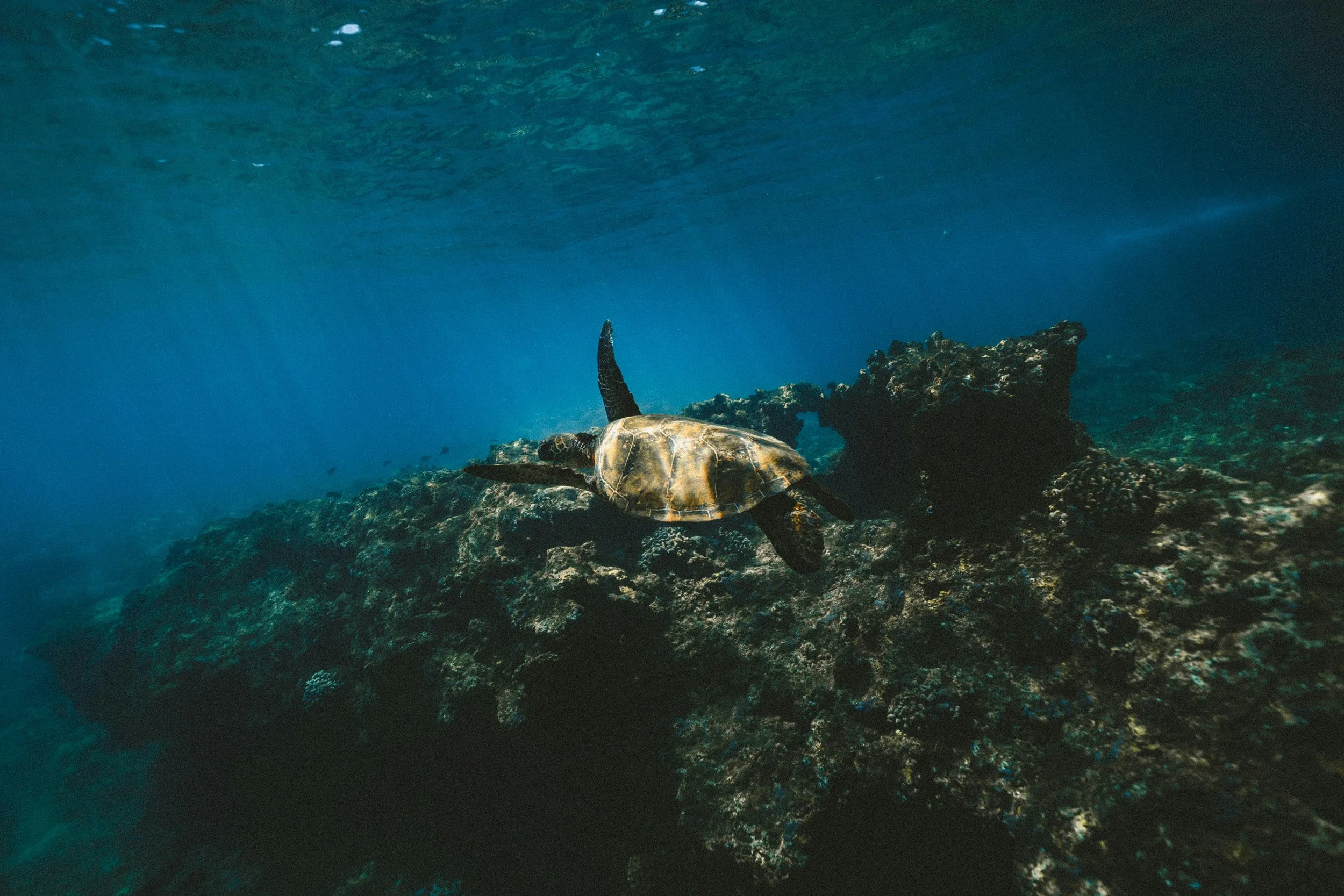
6. Honu
"Honu" refers to the Hawaiian green sea turtle, a revered creature in Hawaiian culture. The honu is a symbol of longevity, peace, and wisdom. When you visit Hawai‘i, you may encounter these gentle creatures basking on the beaches or swimming in the ocean.
It's important to respect their space and remember that they are protected by law—keep a safe distance and never touch or disturb them.
Example: “We saw a honu resting on the beach, and everyone kept a respectful distance.”

7. Pau
"Pau" means finished or done. You might hear this word at the end of an event or when a task is complete.
Example: “The meeting is pau, you can head out.”

8. Malama
"Malama" means to take care of or to protect. It’s often used in the context of environmental stewardship and taking care of the land, sea, and people.
Example: “We should malama the ‘aina (land) and pick up trash.”

9. ‘Aina
"‘Aina" means land, but in Hawai‘i, it represents much more. The connection to the land is spiritual, and caring for the ‘aina is a core value of Hawaiian culture.
Example: “The ‘aina provides us with everything we need.”

10. Kamaʻāina
"Kamaʻāina" translates to "child of the land" and refers to a local resident of Hawai‘i, regardless of ethnicity. It’s a term used to distinguish locals from visitors, and often, businesses offer special discounts or deals for kamaʻāina as a way of showing appreciation to the local community. If you hear this term, it’s a nod to the people who call Hawai‘i home.
Example: “The hotel offers a kamaʻāina discount for residents of Hawai‘i.”
Learning a few Hawaiian terms before your visit can enrich your experience and show respect for the local culture. These words are more than just vocabulary—they reflect the values, traditions, and aloha spirit that make Hawai‘i so special. Mahalo for taking the time to learn, and aloha on your travels!
We can’t wait for you to experience all that Hawaii has to offer! Visit our reception desk if you have any questions about making the most of your island experience! See you soon!